
For scholars applying for research funding in the Netherlands
Forthcoming is run by me, Dr Simon Ferdinand. With a decade’s experience as a developmental editor and having secured a Veni grant myself, I help scholars strategically frame their NWO funding applications to stand the greatest chance of being funded.
Tell me where things stand with your application and we can discuss the best way forward.
Hamster wheels of academia
Far from offering an escape from the hamster wheel of teaching, most funding applications only add to the workload.
In the Dutch system, the NWO (Dutch Research Council) rejects around 85% of applications for its prestigious Veni, Vidi, and Vici grants for fundamental research.
For researchers who have dedicated months and years to a project, absorbing evenings and holidays, rejection is profoundly dispiriting. It can close the door to permanent employment, a professorship, or a research trajectory imagined over years.
Much of the issue is that the NWO proposal is a distinct and difficult genre. It must be declarative, economical, and overtly structured in ways that differ markedly from the discursive writing in which scholars are trained.
Peers, mentors, and advisors can offer feedback, but this is no substitute for an experienced, invested reader engaging closely with your particular project.
Buying yourself out
The NWO evaluation process is often described as a lottery. Once applications have been narrowed down to a batch of watertight proposals, success hinges on the chance preferences of the committee and the temperament of reviewers on a given day.
What you can influence is whether your application reaches that threshold. Most NWO rounds receive over a thousand applications; only some will stand out as honed, immediately plausible projects.
There are ways to earmark your proposal for serious consideration. Lead with the intellectual and societal frames in which your contribution is most significant. Articulate your intervention against a narrative foil. Position the project for sympathetic reviewers. Write with the distinctive economy and directness of a competitive proposal.
Drawing on a decade of experience as a developmental editor, as well as insights from securing a Veni grant myself, I can help craft a pre-proposal, proposal, or rebuttal to meet the NWO’s exacting demands.
The more you distinguish the demands of proposal writing from research proper, the better your chances of attaining the freedom to pursue that research.
WaysForward
The following services apply across NWO funding schemes, primarily the Rubicon, Veni, Vidi, Vici, and PhDs in the Humanities.
They also apply across each distinct stage of an application: pre-proposal, proposal, rebuttal, and interview.
Given the diversity of schemes and stages, I offer a specific quote for each project. Please get in touch to indicate where you are in the process; I will respond quickly with a proposed fee.

Click for more
Click for more
Click for more
Click for more
Click for more
Click for more
FirstReader
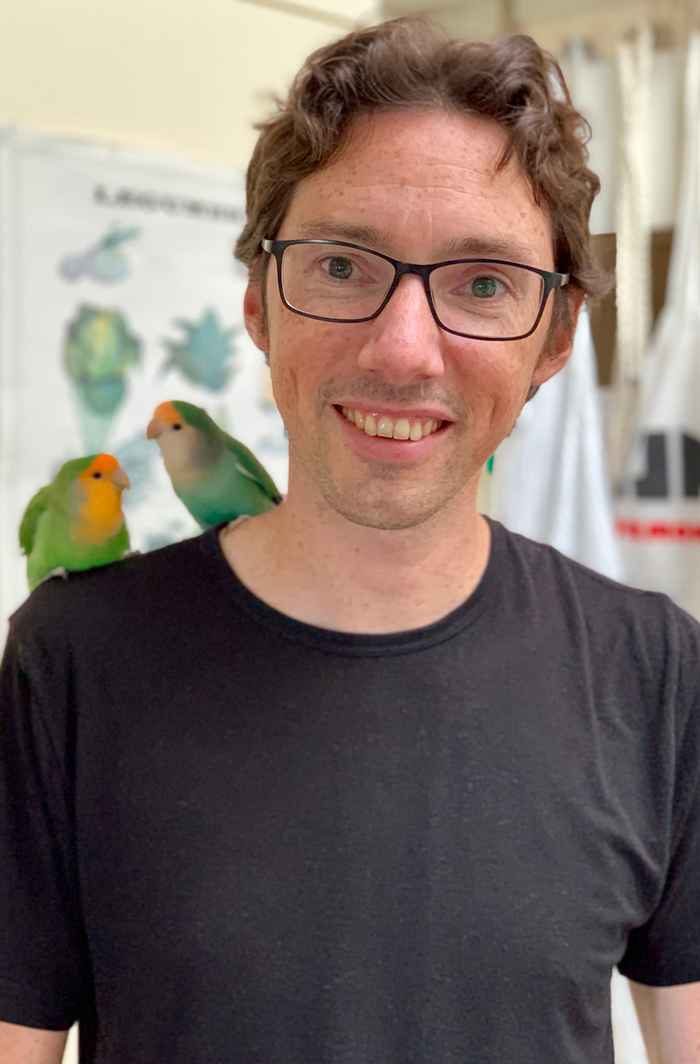
I am Dr Simon Ferdinand. Over the last decade I have run a small writing and editing consultancy, as part of which I have helped dozens of scholars at every career stage sharpen their funding proposals. Previous clients have secured funding from Britain’s AHRC, the ERC, and NWO PhD and Vidi schemes.
Alongside my editing practice, I am also a scholar of visual culture and the environmental humanities. After receiving my PhD cum laude from the University of Amsterdam in 2017, I spent several years applying for research funding before securing a prestigious Veni fellowship from the NWO in 2020.
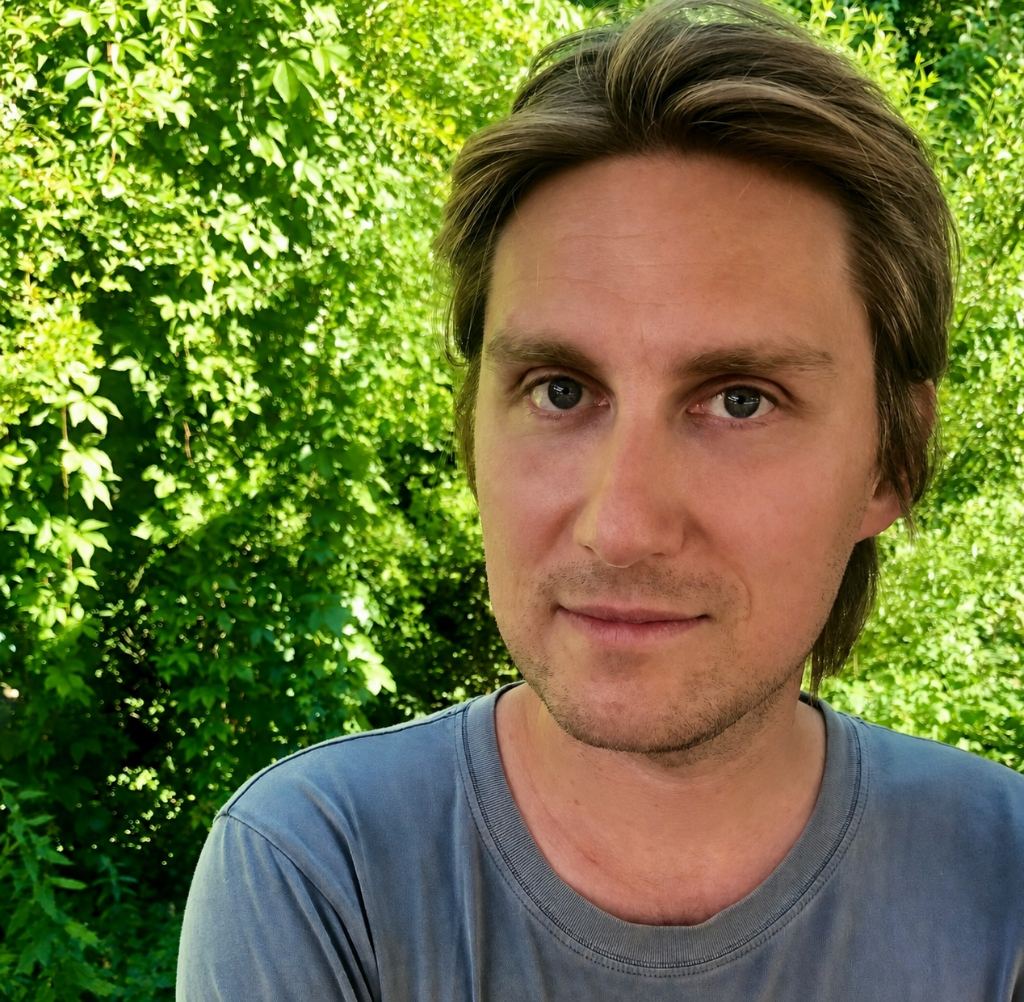
In view of this experience, I know what makes a proposal competitive. And having accumulated a fair stack of rejections, I also know how dispiriting the process can be.
My scholarship


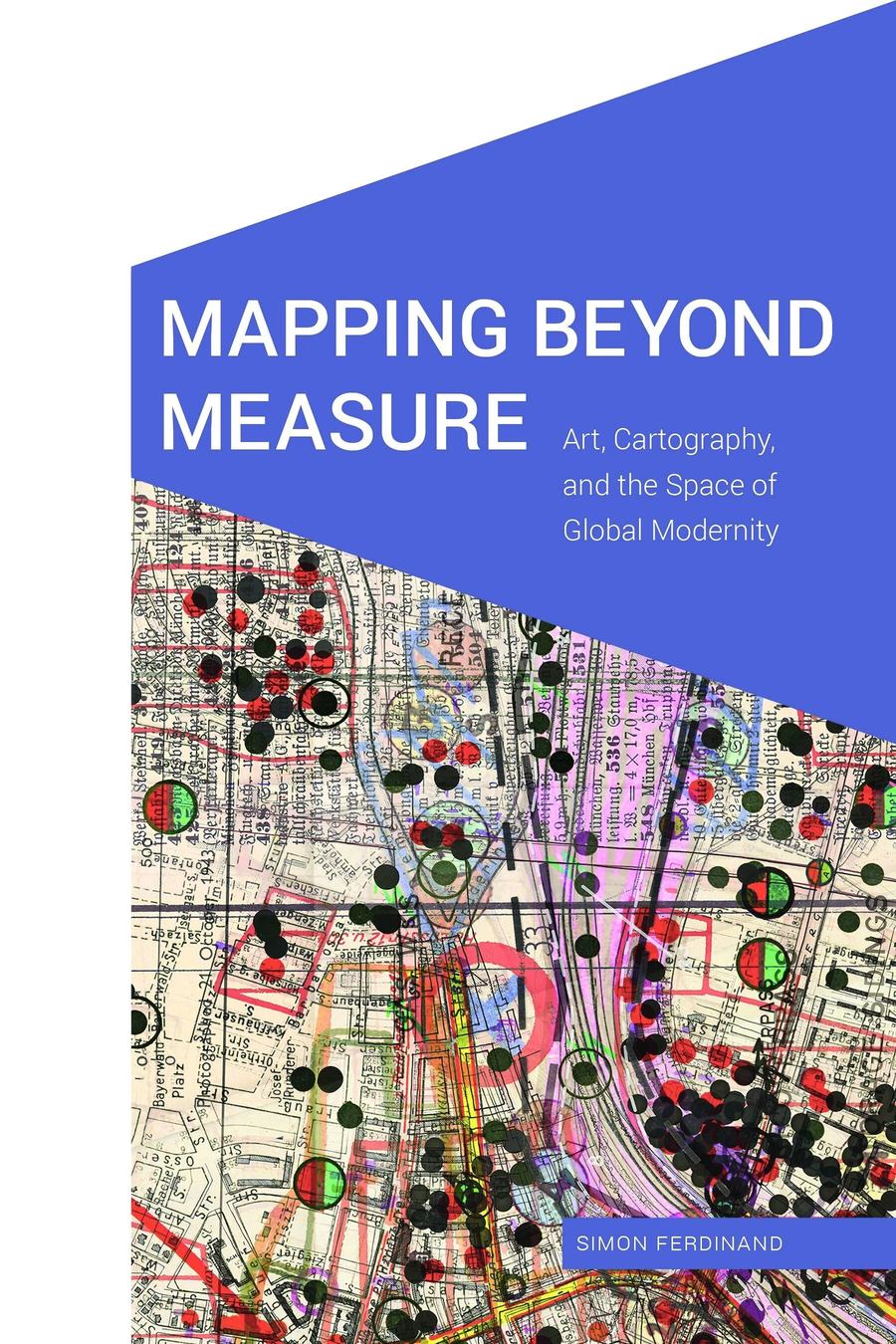
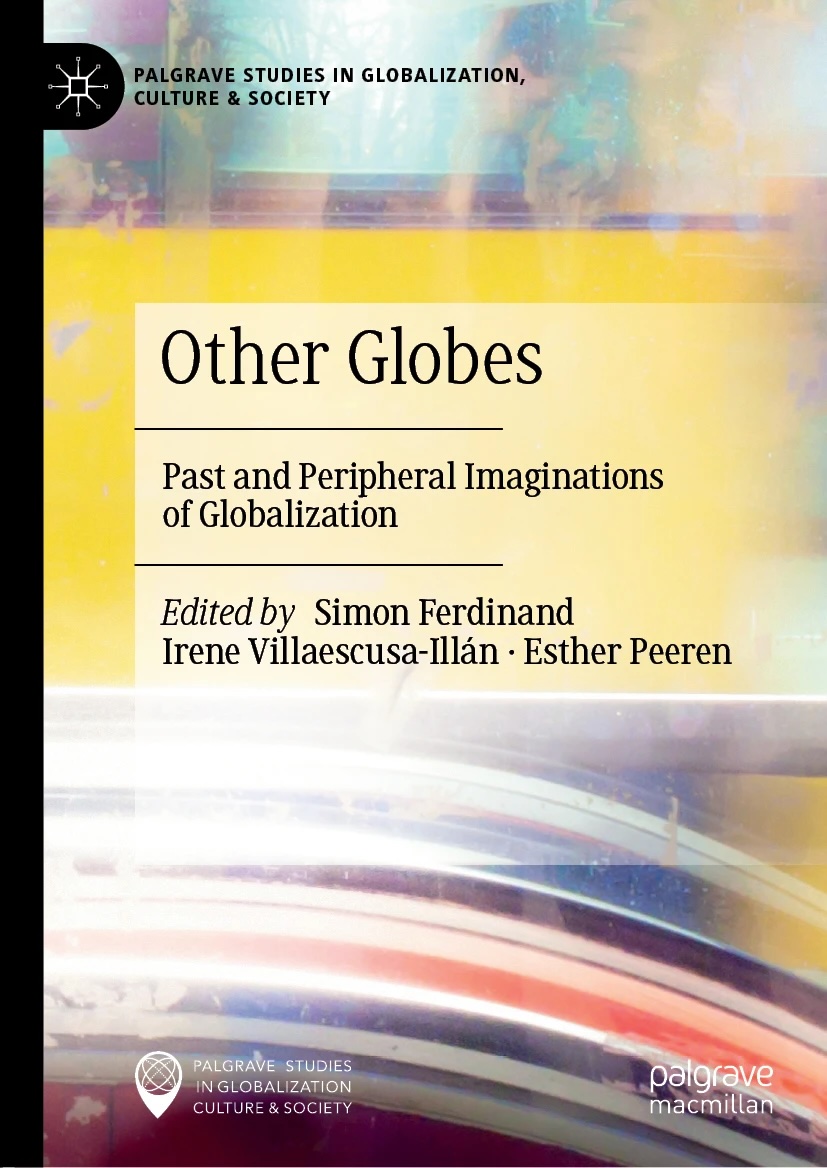
For more on my research and writing, see simonferdinand.com.
“Simon provided incredibly constructive feedback on both my Veni pre-proposal and full proposal. While I also received helpful feedback from colleagues on subject-related content and from the research support office on technical matters, Simon commented thoroughly on the proposal as a whole, enabling me to better align the sections and to present the aims and objectives more convincingly to an interdisciplinary committee. Thanks to his background both as a professional editor and experienced researcher, Simon knows what is required of a competitive proposal and how to revise the drafts accordingly.”
Postdoctoral researcher in musicology, University of Göttingen
Get in touch
Wherever you are in the process—weighing up a scheme, drafting a proposal, preparing for an interview, or reckoning with a rejection—I would be glad to hear from you.
If you would like a free fifteen-minute call to discuss your project and get a sense of how we might work together, do let me know.